
Booking a ride home after a long flight or a late-night out should be a simple, secure process. You open an app or call a local firm, a car arrives, and you get to your destination safely. However, the system running behind the scenes in the United Kingdom is much more complicated. A growing issue known as the “postcode lottery” risk is changing the way the transport industry operates.
This issue concerns how drivers obtain their licenses and where they are actually allowed to work. Because different local councils have entirely different rules, a driver can obtain a badge in a town with very relaxed standards and then legally work in a major city with much stricter safety rules. This creates a confusing landscape for passengers who assume their driver meets the high safety standards of their local area.
In this comprehensive guide, we will explore exactly what this risk means for everyday passengers. We will look at how the rules work, why local drivers are frustrated, and what you can do to ensure you always have a safe journey.
The Basics of Local Transport Rules

To understand the current problem, you first need to understand how licensing works in the UK. Every local council has the power to set its own rules for private hire vehicles. This means the local government decides what background checks a driver needs, how old a vehicle can be, and which safety features must be present.
For decades, this system worked perfectly well. A driver living in a specific town would apply to their local council, get their badge, and serve their local community. The council could easily monitor the cars and ensure everyone followed the rules. Passengers felt safe knowing their local authority kept a close eye on the people driving them home.
The Rise of Cross-Border Hiring
Things changed drastically with the introduction of new laws and modern ride-hailing technology. The law now allows a concept called cross-border hiring. This rule states that a private hire driver licensed by one council can legally pick up passengers in an entirely different council area, provided the operator and the vehicle are also licensed by that same original council.
This loophole completely transformed the industry. Drivers quickly realised they did not have to pass the strict, difficult tests in their home cities. Instead, they could simply apply for a license in a town hundreds of miles away where the tests were cheaper and much easier to pass.
How the System Creates a Risk
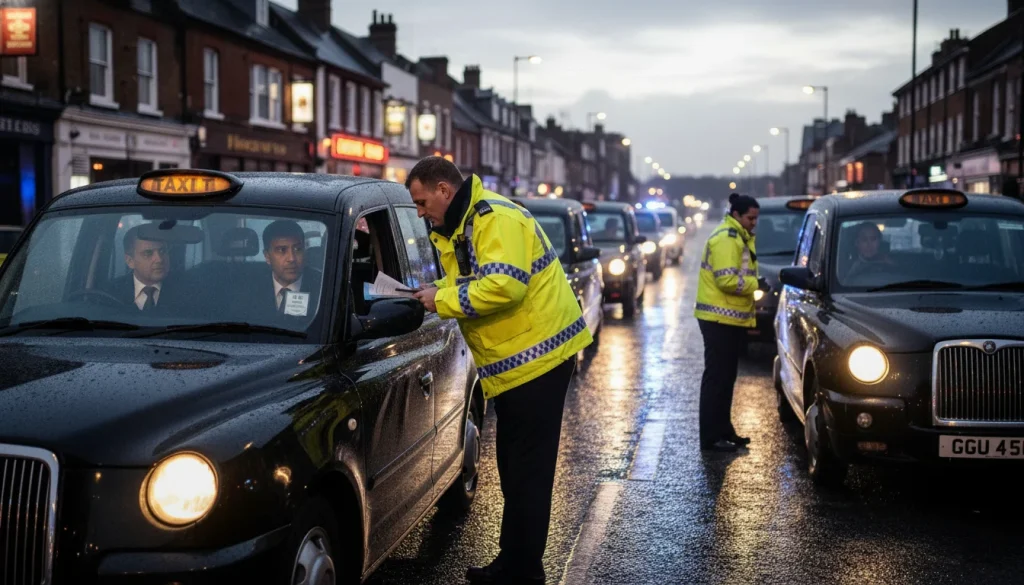
The disparity in standards between different councils is the root cause of the current controversy. When people hear the term, they often wonder how postcodes work in the context of transport. Unlike the charity game, where you might search for a postcode lottery sign-in or ask how much is a postcode lottery, the transport version means your safety depends entirely on which council issued the driver’s badge. Some people even ask who owns the PL regarding taxis, but it is simply a term used to describe the broken regulatory system.
When passengers get into a vehicle, they usually do not check the license plate on the back of the car. They might book a taxi company, Worthing or a Crawley taxi company, assuming the driver is regulated locally. However, that driver might be licensed by a council hundreds of miles away. If you ever look up the meaning of ‘taxi’ (a term sometimes used for a driver), it implies providing a local service, yet the current rules allow drivers to operate nationally. Many drivers travelling long distances might check the Crawley weather on the BBC before heading south, or look for an airport in Wolverhampton, only to realise they need to drive all the way to Sussex to find decent work.
Why Drivers Choose Distant Councils
Drivers usually look elsewhere for cost and convenience reasons. For example, Manchester taxi licensing is known to be very strict. To avoid these high standards, a driver living in Manchester might get licensed by a completely different council where the rules are softer. They then drive an Uber taxi in Manchester, UK, while completely bypassing local safety checks. This practice has become so common that you can frequently spot out-of-town plates operating as a standard taxi in Coventry or even acting as borough green taxis. You might just want a simple airport taxi from Brighton to Gatwick, but your driver could officially be registered at the other end of the country.
Passenger Safety and Vehicle Standards
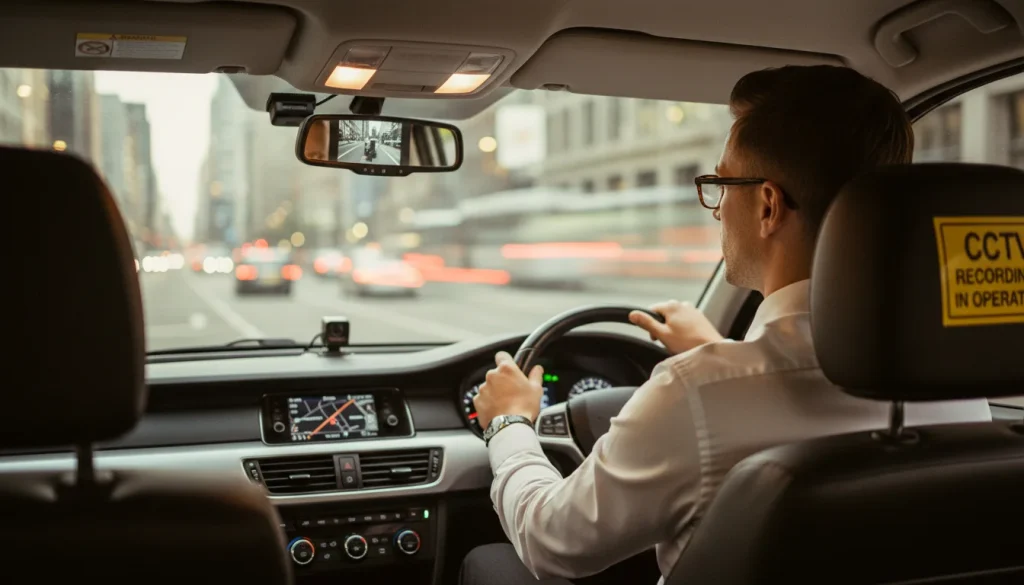
The primary concern regarding this loophole is passenger safety. When local councils set strict rules, they do so to protect vulnerable people in their communities. Some councils require drivers to pass difficult knowledge tests, complete advanced driving courses, and install CCTV cameras in their cars.
If a driver avoids these local rules by applying elsewhere, the passenger loses that layer of protection. A vehicle licensed by a distant council might not be subject to the same rigorous mechanical checks. If a car has faulty brakes or worn tyres, a strict council would take it off the road immediately. A more relaxed council might not check the vehicle as thoroughly.
Background Checks and Accountability
Another major issue is the enforcement of background checks. If a passenger has a bad experience or feels unsafe during a ride, they usually report the driver to the local council. However, if the driver is licensed by a town 200 miles away, the local enforcement officers have very little power to act.
They cannot easily suspend the driver’s badge or inspect the vehicle. They have to pass the complaint on to the distant council, which slows down the entire disciplinary process. This lack of immediate local accountability makes it much harder to keep dangerous drivers off the streets.
The Financial Reality for Local Drivers
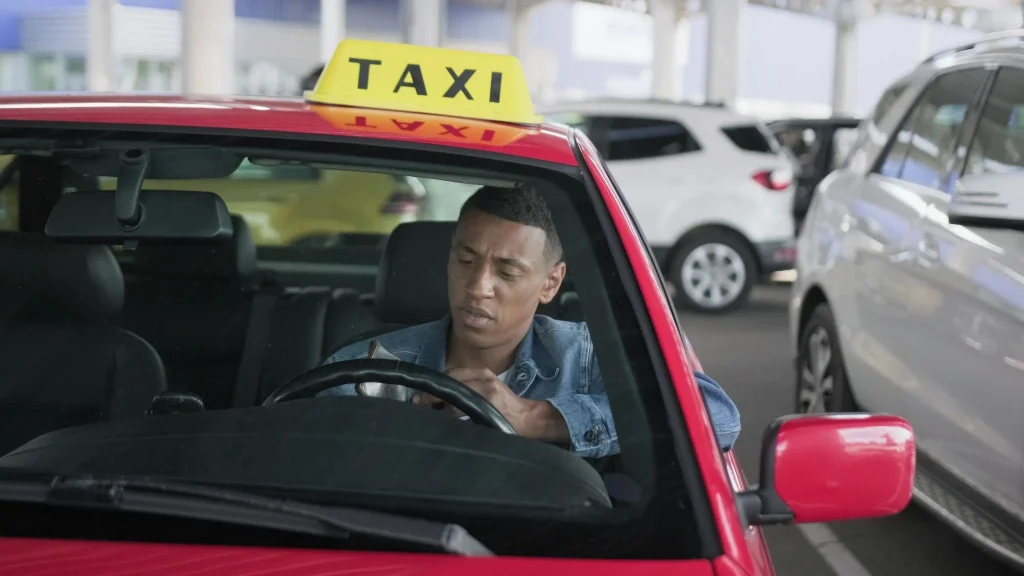
The influx of out-of-town drivers heavily impacts the livelihoods of local professionals who play by the strict rules. Local drivers spend a lot of time and money meeting the high standards set by their home councils. They invest in safer vehicles, pay higher licensing fees, and spend weeks studying for local knowledge tests.
When out-of-town drivers flood the area, it creates an uneven playing field. Local drivers face intense competition from people who did not have to invest the same time or money. This oversupply of cars drives down prices and makes it incredibly difficult for local professionals to earn a fair living.
The Struggle to Make a Living
People often ask about the financial reality of the job. You might wonder, how much does a taxi driver earn on average? The answer varies wildly depending on the region and the level of competition. In areas flooded with cross-border workers, local drivers see their daily income drop significantly.
They still have to pay for fuel, vehicle maintenance, and expensive local insurance policies. When hundreds of out-of-town cars arrive in a city on a busy Saturday night, the local drivers lose out on the busy period they rely on to feed their families. This financial strain is forcing many experienced, highly trained drivers to leave the profession entirely.
🚕 Avoid Cross-Border Risks, Book a Vetted Local Transfer
Skip the risks of unvetted drivers, unverified background checks, and confusing licensing rules. Book a safe, fully licensed Pre-Booked Taxi Service or Executive Car Service with Airportrips today and enjoy transparent pricing, vetted local drivers, and total peace of mind.
Ride Hailing Apps and Market Changes
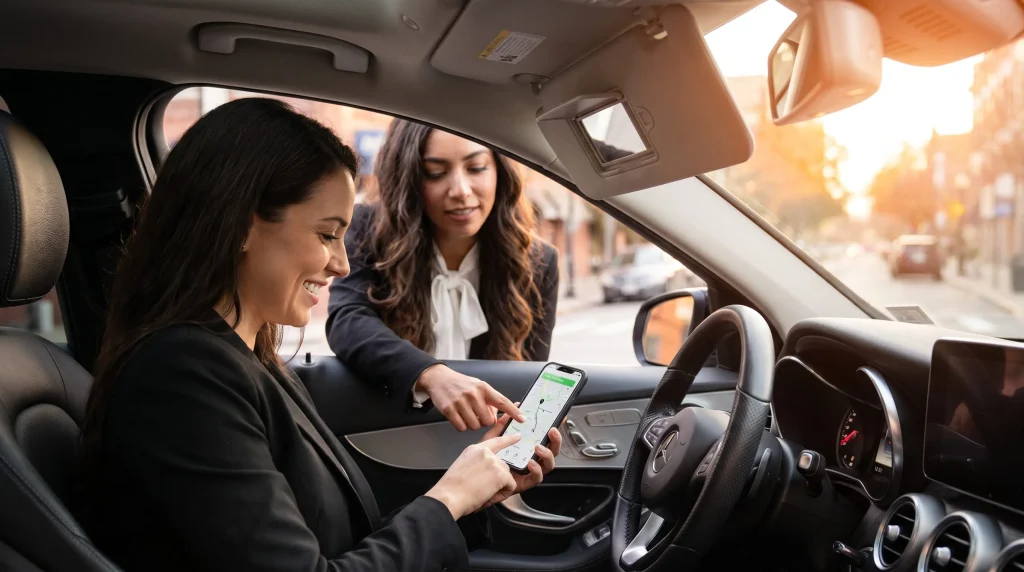
The rapid rise of digital ride-hailing apps has accelerated the trend of cross-border hiring. Before these apps existed, it was very difficult for an out-of-town driver to find work in a new city. They would not know the local dispatchers or the best places to wait for passengers.
Today, a driver simply turns on their smartphone. The app connects them with passengers instantly, regardless of where their license was issued. This technology makes it incredibly easy for drivers to travel across the country to work in the most profitable areas, completely ignoring local boundaries.
The Impact on the Transport Ecosystem
While these apps provide great convenience for passengers, they actively encourage the postcode lottery system. Digital platforms need a massive pool of drivers to keep passenger wait times low. Therefore, they are perfectly happy to accept drivers licensed by any recognised UK council.
This creates a highly competitive environment where local firms struggle to survive. A traditional taxi service relies on deep community roots and local trust. When global technology companies flood the market with cars from across the country, local businesses cannot compete with the sheer volume of vehicles.
Regional Hotspots and Airport Battles
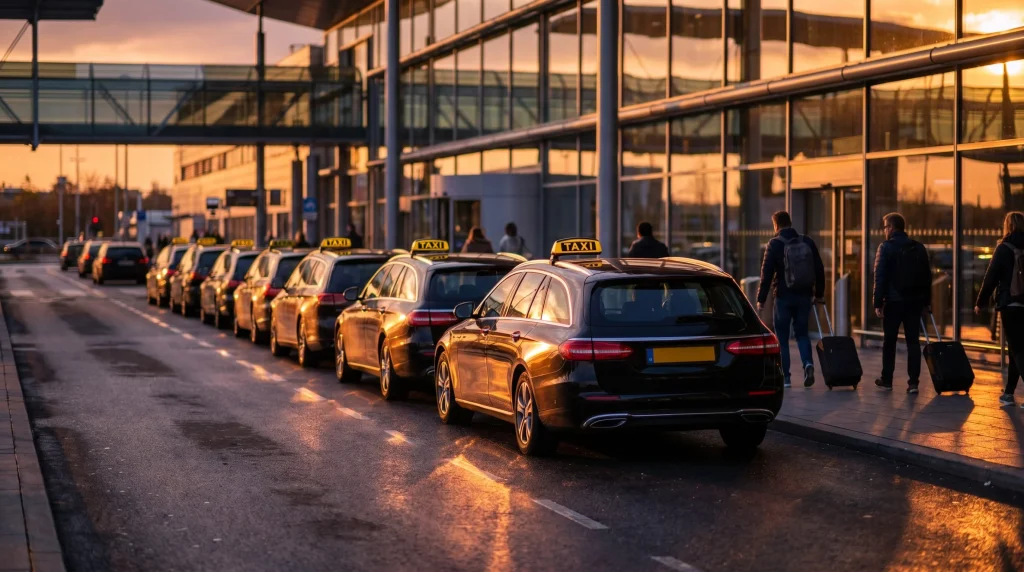
Airports are massive hubs of activity, making them prime targets for out-of-town drivers looking for lucrative fares. The high volume of travellers means there is always a steady stream of people needing an airport transfer to get to their hotels or homes.
Because airport jobs are usually longer and pay better than short city hops, drivers from all over the country travel to major transport hubs to wait for fares. This creates immense friction between the local drivers who have serviced the airport for years and the new arrivals.
Tensions at Major UK Airports
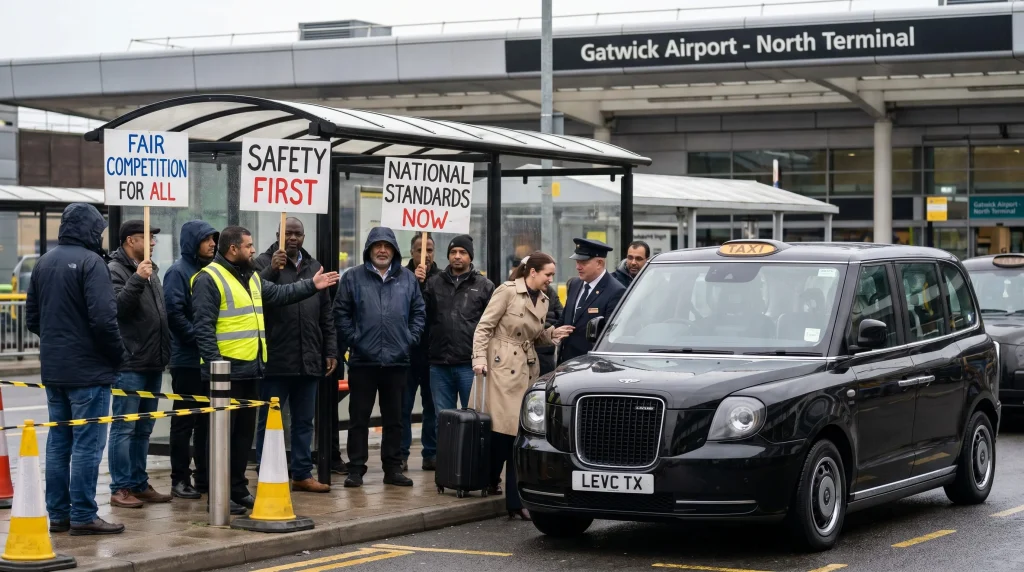
The situation at places like Gatwick has become particularly tense in recent years. Local drivers who know the area well are being pushed out of designated waiting zones. The sheer number of out-of-town cars congests the surrounding roads, creating a chaotic environment for travellers trying to leave the terminals. This friction frequently leads to protests and demands for stricter enforcement at airports.
What Passengers Can Do to Stay Safe
While the regulatory system clearly needs a major overhaul, passengers can take several steps to protect themselves in the meantime. Awareness is your best defence against the risks associated with the PC lottery.
First, always check the license plate on the back of the vehicle before you get in. Every licensed private hire vehicle and taxi cab must display a plate showing which council issued the license. If you are in Manchester and the plate says it was issued by a council hundreds of miles away, you might want to question why.
Booking with Trusted Providers
The safest way to travel is to book your rides through reputable, established companies. When you need to get to a flight, using a dedicated airport travel specialist ensures you get a professional, properly vetted driver.
Trusted companies usually have strict internal policies. They interview their drivers, check their vehicles regularly, and ensure they meet high safety standards regardless of what a distant council might allow. By choosing quality over the absolute cheapest price, you actively protect yourself and support the drivers who do things the right way.
Seeking Solutions for a Fairer Market

Fixing the PC lottery requires major changes to national legislation. Many industry experts and local leaders are campaigning for the government to step in and create a unified set of rules. As you read the latest taxi news in the UK, you will see constant debates about this topic. For example, if you look at BBC News Gatwick Airport today or follow airport news Gatwick, you will likely read about the Gatwick Airport taxi drivers’ protest against Uber over unfair competition. Travellers looking for an airport car service to Gatwick or an airport taxi to Gatwick often have no idea about the behind-the-scenes struggles.
The situation is complex nationwide. You might find someone searching for a Coventry to Gatwick route or a Coventry Gatwick connection, only to end up with a driver who does not know either area. People constantly ask how much a taxi driver earns, or how much a taxi driver can earn, given this system. To understand the Uber car requirements in the UK, you realise they accept varying local standards. If you have a problem, calling the Crawley council phone number or the Gatwick Airport contact number might not help if the driver is licensed elsewhere. A local expert like Michael Jones might advocate for national standards, comparing the strictness required to a TV licensing call.
Whether you need hove taxis, 5-10 taxis, global taxi, or union taxi, the standards should be the same. People looking for car hire in Hove, UK, Gatwick airport car hire, hire cars at Gatwick, or Green Motion car hire Gatwick face different rules than those booking rides. Travellers might grab a National Express coach from Brighton to Gatwick to avoid the hassle, or look up Gatwick Airport’s location themselves.
From a driver checking the Crawley Green news or the Argus Brighton paper while parked near the water’s edge, West Sussex, to someone looking for a Hastings taxi number, taxi t wells, or an Uber phone number, the disjointed system affects everyone. Even someone arriving from abroad with a Cyprus postcode expects a standardised system. Whether you are taking an Uber to Gatwick airport, an Uber Gatwick trip, looking for Uber XL cars uk, or just an Uber taxi in Coventry after stopping at the old Coach & Horses Canterbury while listening to the 8 rules of love or watching the Get Hard 2015 trailer, you deserve a ride that meets strict, national safety requirements.
The Push for National Standards
The most logical solution is to introduce mandatory national minimum standards. If every council had to enforce the exact same background checks, vehicle inspections, and training requirements, the incentive to shop around for a cheaper license would disappear completely.
A national database would also prevent drivers who have been banned by one council from simply applying to another council the very next day. Until the government takes decisive action to close this dangerous loophole, local authorities will continue to struggle to keep their streets safe and their local drivers employed.
Frequently Asked Questions (FAQs)
What does cross-border hiring mean?
Cross-border hiring is a legal rule that allows a private hire driver licensed by one local council to pick up passengers in a completely different council area. This is perfectly legal as long as the vehicle, the driver, and the operator all hold licenses from the same original council.
Why is the postcode lottery considered a safety risk?
It is considered a risk because safety standards vary widely across local councils. A driver might bypass strict safety rules, rigorous vehicle checks, and difficult local knowledge tests in their home city by getting a license from a council with much lower standards.
How can I tell where my driver is licensed?
You can easily tell where a vehicle is licensed by looking at the official plate attached to the rear of the car. This plate will clearly display the name of the local authority that issued the license.
Do ride-hailing apps use out-of-town drivers?
Yes, many major digital ride-hailing platforms actively utilise out-of-town drivers. Because these companies operate on a national scale, they generally accept drivers licensed by any recognised UK council, which heavily contributes to the cross-border hiring issue.
What should I do if I feel unsafe during a ride?
If you ever feel unsafe, ask the driver to pull over in a well-lit, public area and exit the vehicle. You should immediately report the incident to the operator you booked with and to the local council that issued the driver’s licensing plate. Always share your live location with a friend or family member when travelling.
Will the government fix the postcode lottery issue?
Many local authorities, safety groups, and transport unions are actively lobbying the UK government to introduce national minimum standards. While discussions are ongoing, no definitive national legislation has yet completely closed the cross-border hiring loophole.
By understanding the risks associated with the UK transport licensing system, you can make smarter, safer choices every time you travel. Always prioritise reputable companies and stay aware of your surroundings to ensure a secure journey.